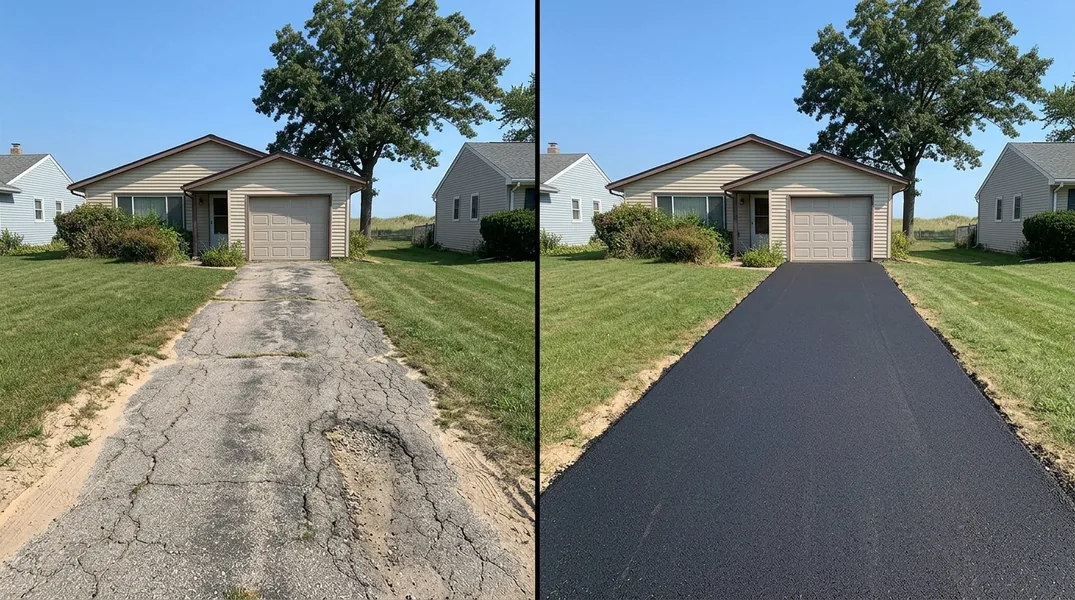
Understanding Asphalt Curing and When You Can Drive On It
One of the most common questions homeowners in Gary ask after investing in Asphalt Driveway Paving & Installation is: How long for asphalt to cure? Understanding the curing process is essential to protecting your new investment and ensuring it lasts for years to come.
The short answer is that asphalt typically takes 24 to 48 hours before you can safely drive on it. However, this is just the initial cure time. During these first two days, the asphalt hardens enough to support vehicle weight without creating permanent tire marks or surface damage. It's crucial to keep all traffic off the new surface during this window, even though it may look ready to use. The material is still vulnerable to deformation from weight and heat.
But here's what many homeowners don't realize: how long before you can drive on new asphalt is different from when the asphalt reaches full strength. Full curing can take several weeks to several months, depending on weather conditions, temperature, and the specific asphalt mix used. Cool, cloudy weather slows curing, while hot, sunny days speed it up. Even after you're driving on your driveway, continue to avoid heavy loads and extreme turning for the first week or two to give the material time to fully harden.
New Asphalt Driveway Care: The First Year Matters Most
Once your new driveway is installed, proper maintenance during that critical first year will determine how long it lasts. New asphalt driveway care is simpler than you might think, but it does require attention and discipline. The goal is to protect the surface while it continues to cure and harden completely.
During the first month, avoid parking in the same spot repeatedly, as this concentrates weight and can create permanent indentations. Similarly, be cautious with sharp objects, heavy equipment, and anything that might puncture or gouge the surface. If you notice any small cracks appearing (which is normal as the asphalt settles), don't panic. These can be addressed with simple crack filling before they become serious problems. Keep the surface clean by sweeping away debris and rinsing it occasionally with a garden hose. Avoid harsh chemicals or pressure washers during this initial curing phase.
One of the most important steps in new asphalt driveway care is planning for your first seal coat application. Most professionals recommend waiting 6 to 12 months after installation before sealing, allowing the asphalt to fully cure first. This protective layer will extend your driveway's lifespan significantly and enhance its appearance.
How Often to Seal Driveway: A Maintenance Schedule That Works
Sealing your driveway is one of the most cost-effective preventative measures you can take. But the question remains: how often to seal driveway? The answer depends on your climate, traffic volume, and the condition of your asphalt. For most homeowners in Gary, a seal coat every two to three years is ideal. This timeframe protects against the damaging effects of UV rays, water infiltration, and chemical exposure from road salt and oil spills.
If your driveway experiences heavy traffic, you may want to seal it every other year. Conversely, if you have light residential traffic and maintain your surface well, you might stretch it to every three or four years. The best approach is to inspect your driveway annually. If you notice the surface becoming dull, faded, or showing small cracks, it's time to schedule a seal coat. This simple step prevents water from seeping into the base layers, which is the leading cause of potholes and major structural failure.
Sealing also improves curb appeal and makes your driveway easier to clean. The dark, glossy finish looks fresh and well-maintained, which adds to your home's overall appearance. If you're unsure whether your driveway needs sealing, contact Gary Asphalt Paving at (219) 400-7205 for a free inspection. Our team can assess your driveway's condition and recommend the best maintenance schedule for your specific situation.
Recognizing When Patching Is Enough and When Full Replacement Is Needed
The decision between patching and replacing your driveway is one of the most important choices you'll make as a homeowner. Small problems like isolated cracks or minor potholes are perfect candidates for Pothole Repair & Asphalt Patching. These targeted repairs are cost-effective and can extend your driveway's life by several more years if caught early. A single pothole or a few small cracks don't necessarily mean you need a complete replacement.
However, certain warning signs indicate that patching alone won't solve your problems. If your driveway has extensive cracking (more than 25 percent of the surface), multiple large potholes, significant alligator cracking (interconnected cracks that look like alligator skin), or visible sinking or heaving, you're likely looking at a replacement situation. These issues suggest that the base layer has failed, and patching the surface won't address the underlying structural problem. Additionally, if your driveway is more than 15 to 20 years old and showing multiple signs of wear, replacement is usually more economical than repeated repairs.
Another option to consider is Asphalt Resurfacing & Overlay, which falls between patching and full replacement. This process involves laying a new layer of asphalt over your existing driveway, which is more affordable than complete removal and replacement but more comprehensive than simple patching. It's an excellent choice if your base is still sound but your surface is worn.
Asphalt Driveway Paving & Installation Near Me: When to Call a Professional
Knowing when to call a professional is just as important as understanding maintenance requirements. While minor surface cleaning and crack filling are tasks homeowners can handle, most major work requires professional expertise. If you're in Gary and noticing significant damage to your driveway, it's time to reach out to experienced contractors who understand local soil conditions, weather patterns, and building codes.
Professional asphalt companies have the equipment, materials, and expertise to properly assess your driveway's condition and recommend the right solution. They can identify problems that aren't immediately visible to homeowners, such as inadequate drainage or base layer deterioration. When you're ready to discuss your driveway's future, Gary Asphalt Paving is here to help. Call us at (219) 400-7205 or request a free estimate to discuss your specific situation. Our team will evaluate your driveway and provide honest recommendations about whether patching, resurfacing, or replacement makes the most sense for your budget and timeline.
Professional installation also comes with warranties and guarantees that protect your investment. When you choose an established company like Gary Asphalt Paving, you're not just getting a service; you're getting peace of mind and the assurance that your driveway will be built to last.
Making Your Decision: Cost, Timeline, and Long-Term Value
When deciding between patching and replacing, cost is naturally a major consideration. Patching is significantly cheaper upfront, sometimes costing just a few hundred dollars for minor repairs. Full Driveway Repair or replacement, on the other hand, requires a larger investment. However, it's important to think beyond the immediate expense and consider long-term value. A new driveway lasts 15 to 20 years with proper maintenance, while patches on an aging surface might only buy you a year or two before more problems emerge.
The timeline for your decision also matters. If you're planning to sell your home soon, a new driveway or professional resurfacing can significantly boost curb appeal and property value. If you're staying long-term, investing in a quality replacement now means you won't face another major expense for many years. Request a free estimate from Gary Asphalt Paving to understand the full range of options and their respective costs. Our team can help you weigh the financial implications of each choice and find the solution that best fits your situation and budget.
Ultimately, the patch-or-replace decision should be based on the extent of damage, your driveway's age, your budget, and your plans for the property. By staying proactive with maintenance and addressing problems early, you can often extend the life of your driveway and delay major expenses. But when the time comes for significant work, professional guidance ensures you make the right choice.
Looking for a professional asphalt paving contractor in Gary? Gary Asphalt Paving responds fast for all your asphalt paving needs.
Get a Free Quote